
The Science
What happens to water once it's inside you
Water doesn't just sit in your body. It moves constantly, driven by concentration gradients and regulated by hormones, proteins, and cellular structures that most of us never think about. This is where we explain all of that.
How hydration connects to cellular energy production
Cells produce energy through a process called cellular respiration, and water is involved at multiple steps. The mitochondria, where most ATP is generated, require water both as a reactant in certain reactions and as the medium through which substrates and products are transported.
Enzymatic reactions generally, not just those in the mitochondria, depend on water as a solvent. Enzymes are proteins with specific three-dimensional shapes that allow them to catalyze reactions. Those shapes depend partly on the aqueous environment around them. When intracellular water content changes, enzyme kinetics can shift.
This is one reason why hydration status correlates with how people report feeling in terms of energy and cognitive clarity. The mechanisms involved aren't fully mapped out in every detail, but the connection between cellular water content and metabolic efficiency is well-established in basic biology research.
This content describes general cellular biology. It is not intended as medical advice or a guide to managing any health condition.
The ions that direct where water goes
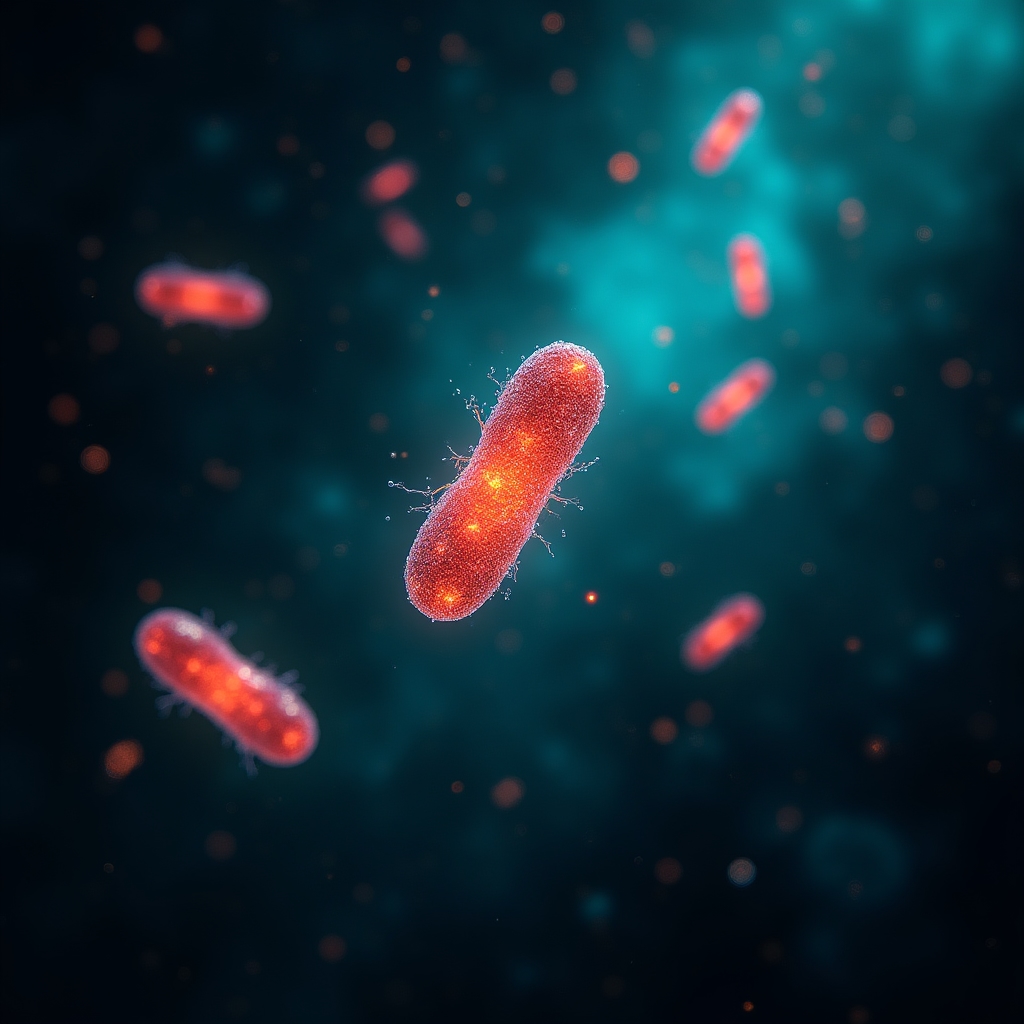
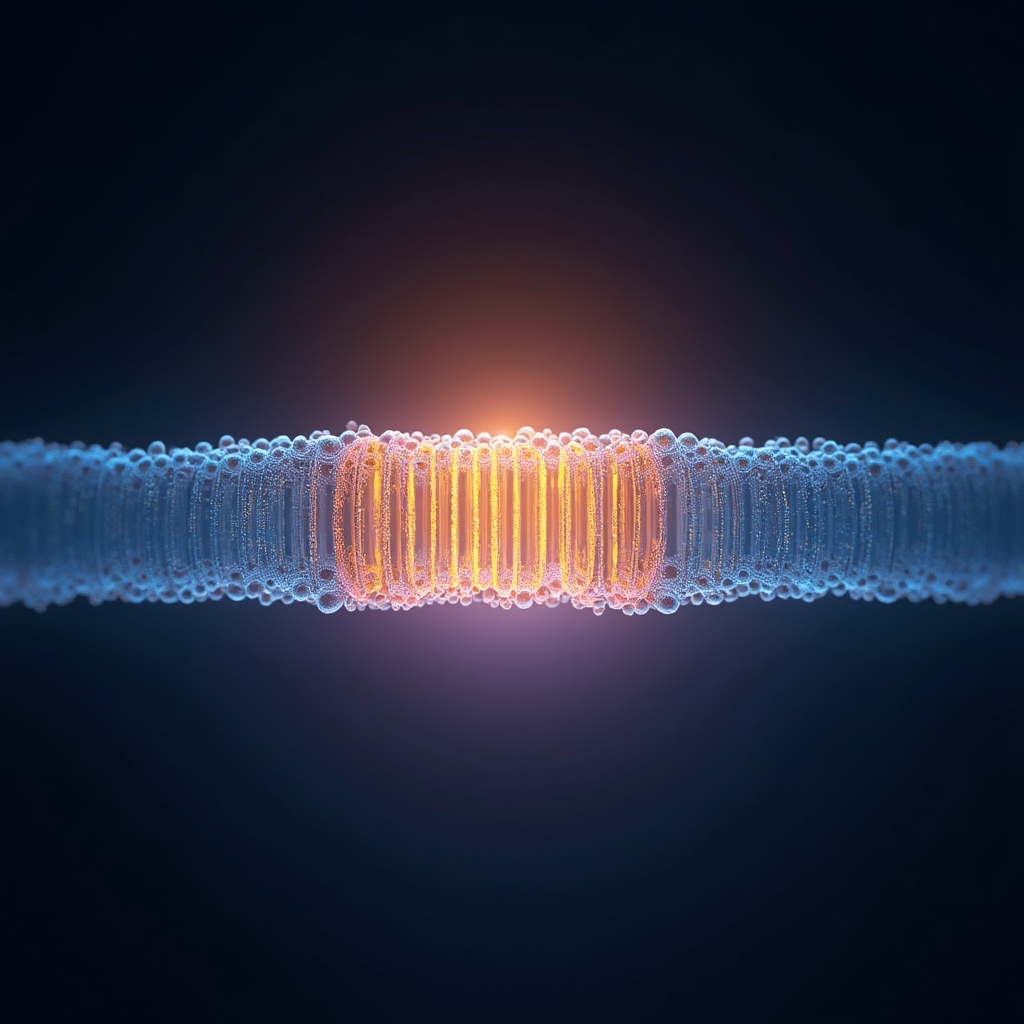
Water moves across cell membranes through osmosis, following concentration gradients. Electrolytes, ions like sodium, potassium, chloride, magnesium, and calcium, are what create and regulate those gradients. The distribution of these ions determines whether water moves into cells, out of cells, or stays in the extracellular space.
Sodium is the primary electrolyte in extracellular fluid. Potassium dominates inside cells. The sodium-potassium pump, a protein embedded in virtually every cell membrane, continuously moves sodium out and potassium in, maintaining the electrochemical gradient that cells need to function. This pump alone accounts for a significant portion of the body's resting energy expenditure.
Magnesium has a different role. It's involved in hundreds of enzymatic reactions and also helps regulate how other electrolytes behave. Calcium participates in muscle contraction, nerve signaling, and numerous cellular processes. The interplay between these ions is one of the most intricate regulatory systems in human physiology.
What skin hydration actually means at the structural level
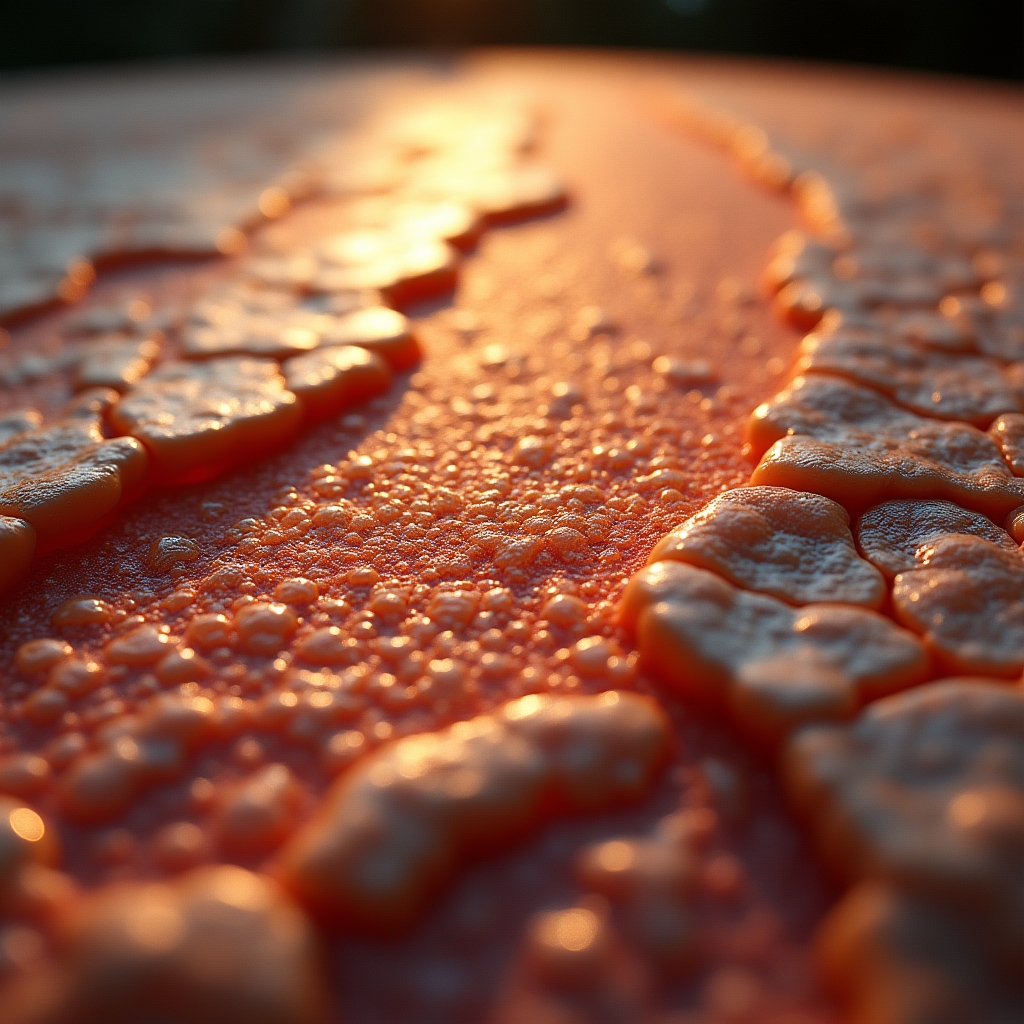
Skin hydration is commonly discussed in consumer contexts, but the underlying biology is more specific and interesting. The outermost layer of skin, the stratum corneum, is made up of flattened, dead cells embedded in a lipid matrix. This layer is not simply dry or wet; it has its own water content that's maintained through a balance of water retention and transepidermal water loss (TEWL).
Natural moisturizing factors (NMFs) are compounds within the stratum corneum cells that attract and retain water. They include amino acids, urocanic acid, and pyrrolidone carboxylic acid, among others. These compounds are hygroscopic, meaning they bind water from the environment, helping maintain stratum corneum water content even in relatively dry conditions.
Below the stratum corneum, the deeper layers of the epidermis are living, metabolically active cells with their own hydration needs. The dermis contains collagen, elastin, and hyaluronic acid, a molecule known for its water-binding capacity. How water is distributed across these layers varies with age, environmental conditions, and individual physiology.
Organs as water management systems
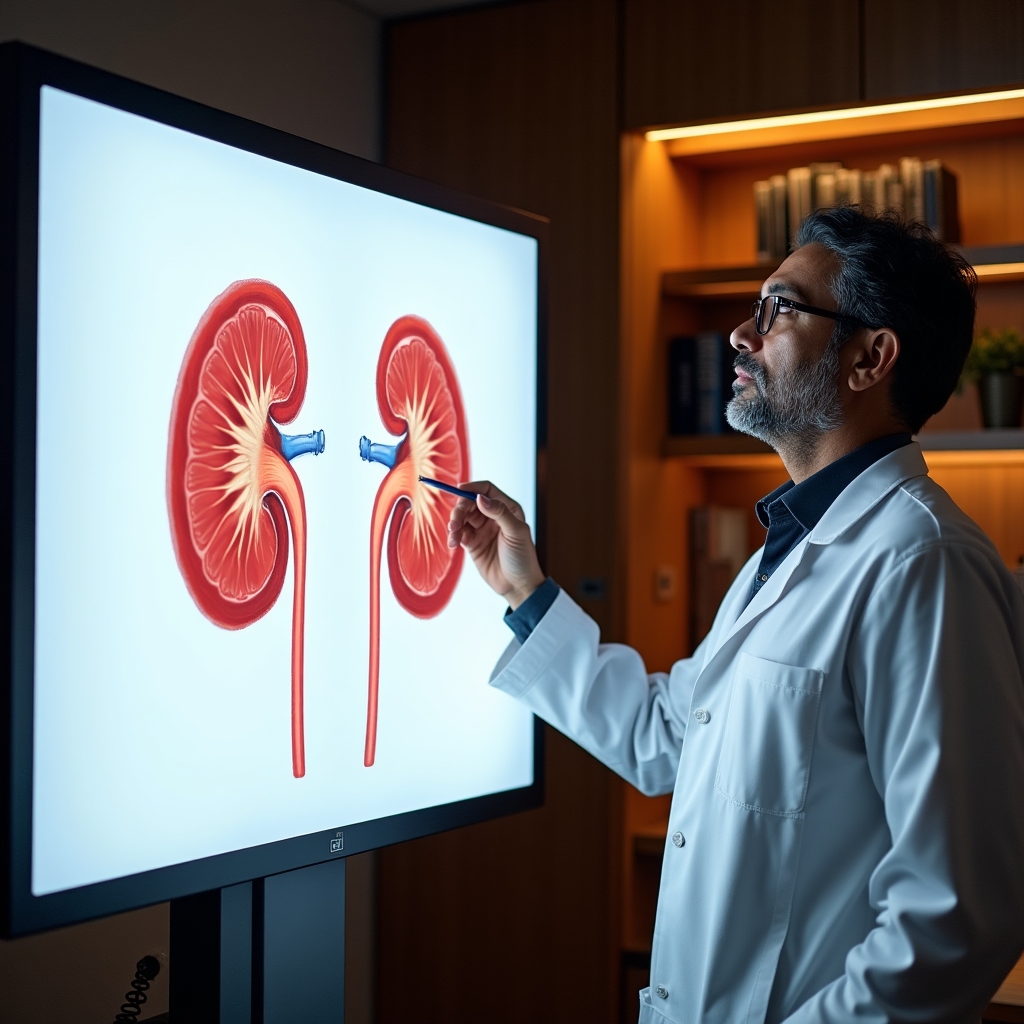
Every major organ system has a relationship with water that's central to its function. The kidneys are perhaps the most direct example. They filter the entire blood volume many times each day, reabsorbing most of the water and solutes while excreting waste products. This process is regulated by antidiuretic hormone (ADH, also called vasopressin), which signals the kidneys to retain more water when blood osmolarity rises.
The cardiovascular system distributes water continuously. Blood plasma is largely water, and its volume directly affects blood pressure and cardiac output. The lymphatic system moves interstitial fluid back into circulation. Even the lungs lose water with each breath through evaporation from the mucous membranes lining the airways.
The brain has its own unique relationship with water. It floats in cerebrospinal fluid, a water-based solution that cushions it against mechanical stress and provides a medium for removing metabolic waste. Glial cells in the brain actively regulate water movement through aquaporin channels, proteins that function as dedicated water transport pathways.
This section describes normal human physiology for educational purposes. Individual variation in organ function is significant, and any concerns about organ health should be discussed with a qualified healthcare professional.
Want to go deeper? Start with the guide.
Our hydration fundamentals guide covers the foundational concepts in a structured, accessible format.
Read the Guide